Monday, June 22, 2009

Soltice walk 2009


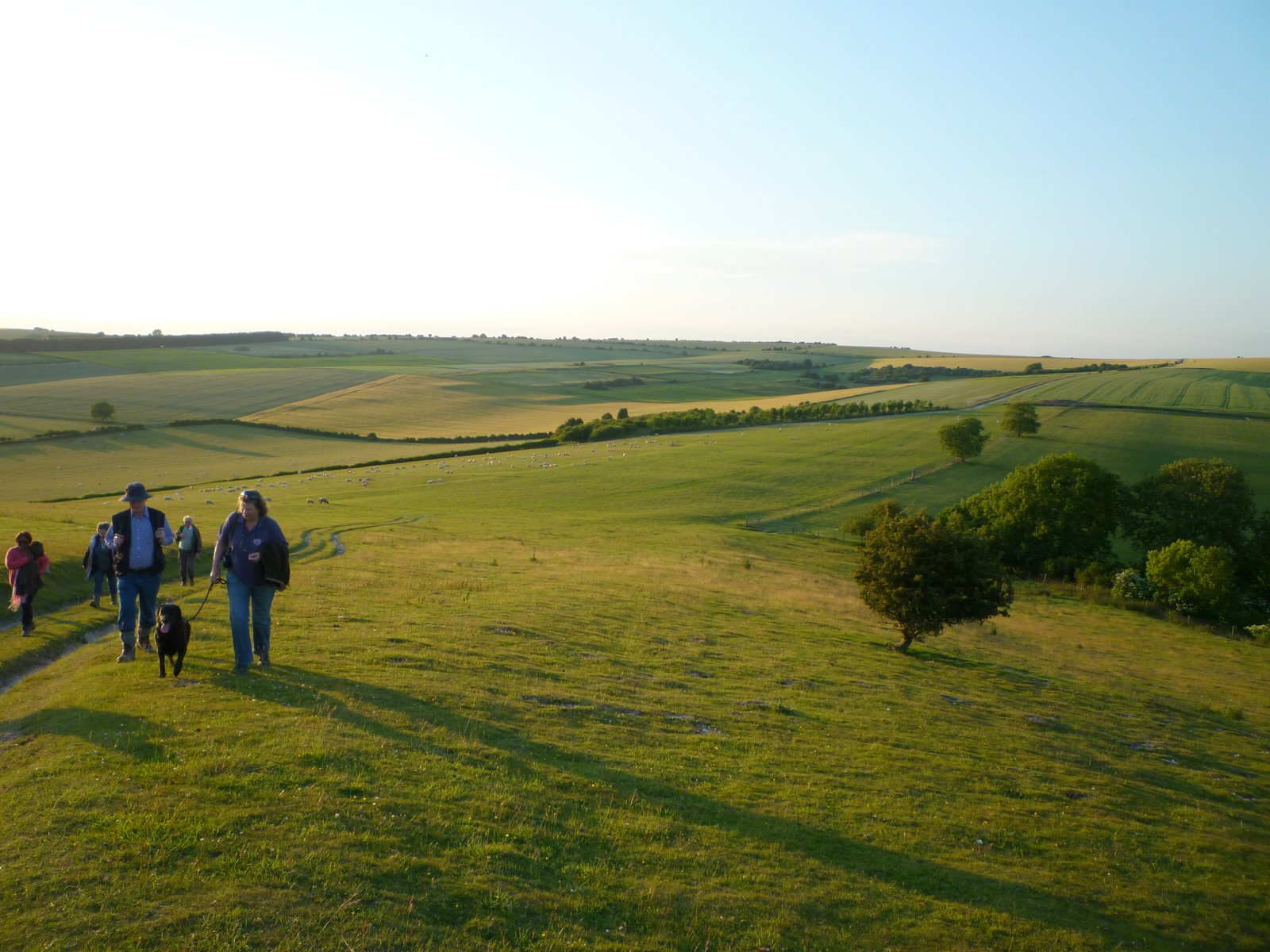
Members of the society enjoyed a summer Solstice walk to Thunder borough Hill in Southwick.

The walk was led by John Mills, who gave us a insight in to the archeological history of the area.More details about this area will be posted on the journal site.

Meanwhile the photos are interesting, a glow worms were seen on our return walk down the hill, in all we counted around 20, Glow worms are increasing becoming rare due to loss of habitat.
"They prefer grassland on alkaline, chalky type soils because this is where their food source of small snails is found"


Monday, August 11, 2008

Visit to Warminghurst. 10th August 2008.


Members of the society enjoyed a visit to Warminghurst church and the surrounding area, including a visit to the site of William Penns house, the weather was kind to us.
There will be another walk in September time and place to be announcer later, so lets see more members then. Dont forget double click to enlarge photo, the one of the carp scale is interesting.

Tuesday, July 29, 2008

New store at Slindon.

The new store at Slindon is starting to come together, but a lot more help is needed from members to get it finished, we have to move out of our present store by the end of September.
So please help us, next work day is Saturday 9th of August, please come along to help.

See the work here movie.click here


Posted by Picasa

Thursday, June 19, 2008

Amberly Walk.


18th June 2009.
A enjoyable evening was had at Amberly, Robert Hutchinson showing members around this most interesting village.

Bramber Castle walk.


May 11th 2008.
Members of the society enjoying a guided walk around Bramber Castle with Simon Stevens.

Saturday, May 03, 2008

Chithurst Church Walk.


Members of the society enjoyed a visit to Chithurst church, and a walk around the area of about three miles, rain did not dampen our day.

Friday, January 18, 2008

Parham visit.


Members of the field unit looking at pottery at Parham house, this is some of Con Ainsworth material, excavated when the Ha ha was built in the early 70s.

Saturday, January 05, 2008

New Year walk.


Members of the society despite the cold wind enjoyed a walk around Cissbuy Ring, on the 5th of January, the first of many walks to be undertaken over the coming year. Double click on photo to enlarge.

It was interesting too see the breed of Sussex Long horn cattle grazing on the ring, read the note below which gives more information about this breed.

For the first time in recent memory, the South Downs Joint Committee (SDJC) has ensured that Fairmile Bottom Local Nature Reserve (LNR) will be grazed by English Longhorn cattle. For six weeks, the gentle but slightly menacing looking Longhorn, a traditional English beef breed, will graze the chalk grassland, which supports important invertebrate species, including butterflies and beetles, to enhance its nature conservation value. Their introduction onto Cissbury hill, is helping control the cover there of course grasses and gorse. It should be noted that the breed would have been similar to the cattle that would have been familiar to the inhabitants of the ring when it was first constructed, the difference being that they would have had shorter legs, and shorter in the total body length.

This is the third successive year that the site, owned by WSCC, has been put back into cattle grazing by site managers, SDJC, the organisation that works to protect the South Downs. In 2004, Sussex Cattle were introduced and last year the land, designated as a Site of Special Scientific Interest (SSSI), was grazed by Herefords. Before 2004, sheep had grazed the site, but farmers grew concerned after problems with dog worrying were experienced and the SDJC is again asking all dog owners to keep their pets on a lead at all times while the cattle are grazing.

Angela Shepherd, SDJC countryside ranger responsible for the site said: “The South Downs Grazing Project team was contacted by an experienced grazier looking for suitable rough grassland to graze the Longhorn cattle, which have difficulty digesting lush grass. This fitted perfectly with the plans for the site, since cattle leave the sward tussocky, which is better for the invertebrates and they should also help to discourage the large number of rabbits, which are a problem.

“A traditional breed like the Longhorns grazing this site is fantastic, not only do they look impressive with distinctive big horns, but they eat plants like bramble and dogwood, that are generally unpalatable to many other cattle and sheep breeds. Preventing this type of vegetation from invading the grassland will improve the sward by allowing chalk grassland species to thrive.

Fairmile Bottom is one of over 1050 LNRs in England, places with wildlife or geological features that are of special interest locally and offer people special opportunities to study or learn about nature or simply to enjoy. They range from windswept coastal headlands, ancient woodlands and flower-rich meadows to former inner city railways, long abandoned landfill sites and industrial areas now re-colonised by wildlife. In total they cover almost 40,000 ha - a natural resource which makes an important contribution to England's biodiversity.